Looking for a cheap, compact way to build your own portable charger? I’ve been messing around with this DIY 18650 power bank kit to see if it’s actually worth keeping around for emergencies or camping trips. Let’s crack it open and see what’s inside.
Author: LifeKaki
⚡ Quick Guide: Building Your DIY Power Bank
- Pop the case open and check the PCB build quality.
- Drop in a good 18650 battery — make sure the polarity’s right.
- Check the 5V output with a multimeter.
- Plug in an LED lamp and see if it actually works.
- Charge it from the wall and watch the current draw.
- Measure final voltage and current under load.
- Check the size — this thing’s tiny.
In This Article
📊 Technical Specifications & Components
| Controller | SM5401S |
| Battery Type | 18650 Li-ion |
| Output | 5V USB |
| Charging Interface | Micro-USB |
Tools & Materials Used
• Precision Screwdriver Set
🔧
Rechargeable Li-ion battery 18650
AliExpress 🛒
🔧
DT9205A Digital Multimeter
AliExpress 🛒
🔧
USB LED Light Stick
AliExpress 🛒
🛠️
BUY ON ALIEXPRESS 🛒
Recommended
Power Bank Case
Step-by-Step Assembly & Testing
PCB and Controller Analysis
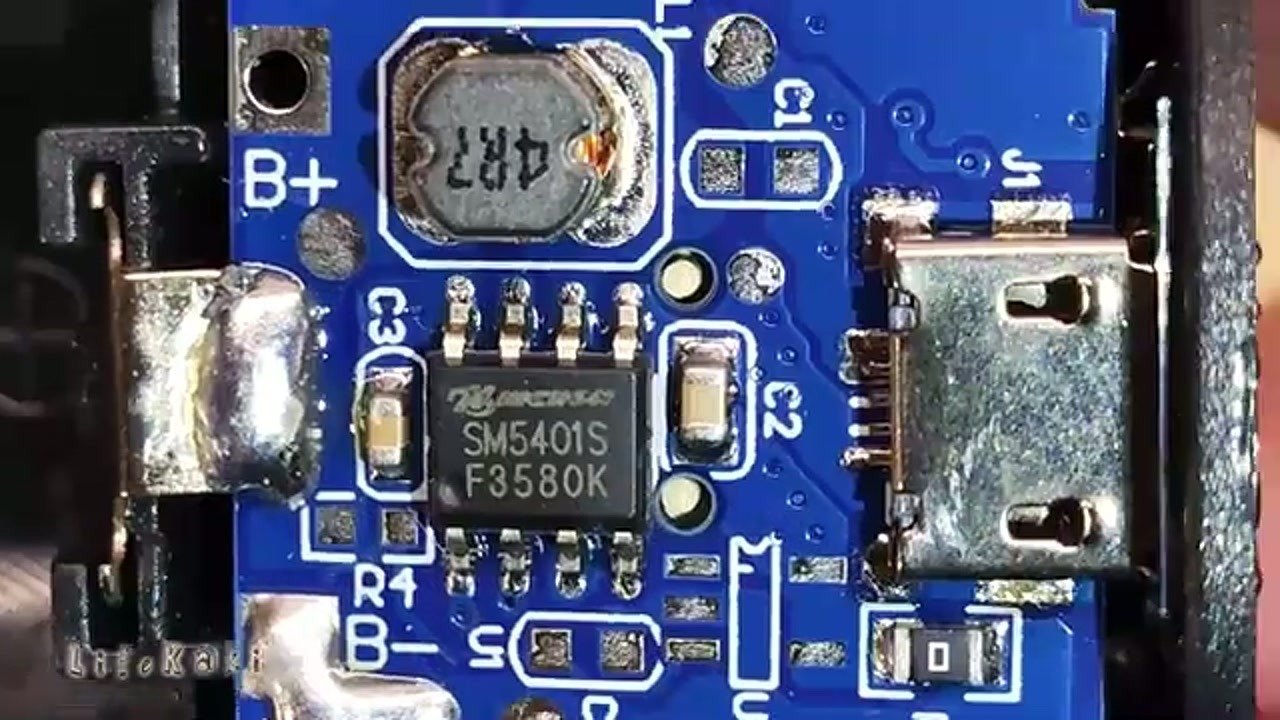
Pulled the casing apart to get a clear look at the internals. The brain of this thing is the SM5401S charging controller — a standard budget chip you’ll find in tons of these mini kits. The soldering looks clean enough for a DIY project, but I always check the USB port housing for structural weak spots before snapping everything back together. A wobbly port is a dead giveaway of trouble down the road.
Installing the 18650 Battery
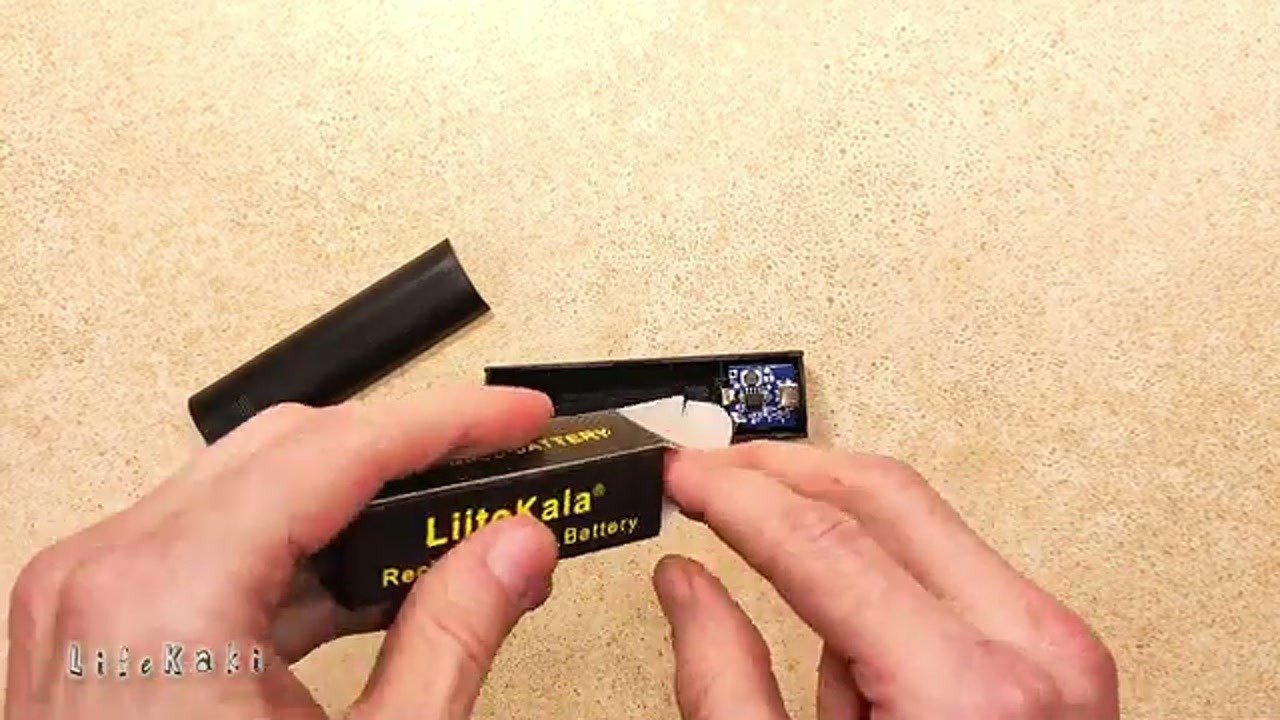
Dropped in a LiitoKala 3500mAh cell for the test. It seats snugly in the cradle — no rattling, which is exactly what you want. Pay attention to the polarity here because getting it backwards means a dead board. It’s a friction fit, but once it’s in there, it’s not going anywhere.
Output Voltage Stability Test
Hooked up the multimeter to the USB output and it’s holding steady at 5V. No flickering, no wild swings. For a kit this cheap, that’s a good sign. Small gadgets won’t complain about this kind of output.
Load Testing
Now I’m putting it under real load to see how the voltage holds up when the controller’s actually working. Sensitive electronics don’t like voltage drops, so this part matters. The reading stays stable — the SM5401S is doing its job without complaining.
Wall Charging Test
Plugged it into a wall charger and the indicator light came on right away. I’m watching the current draw to make sure the tiny PCB doesn’t overheat. Everything stays cool to the touch — good sign for long-term reliability. It’s not fast, but it’s consistent.
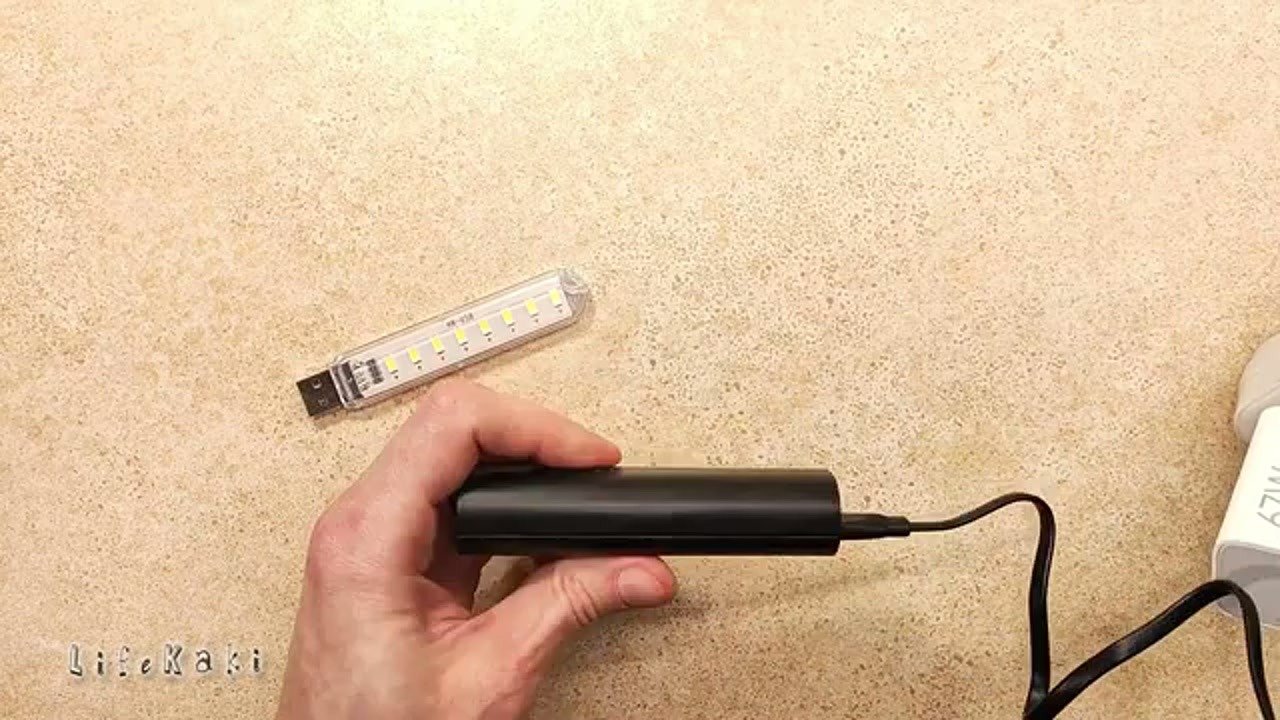
Voltage and Current Measurements
Running a more detailed current check with the multimeter in series. It’s not a fast charger — don’t expect to juice up a modern phone in minutes — but for a single 18650 setup, the numbers are right where they should be. Consistent, no surprises.
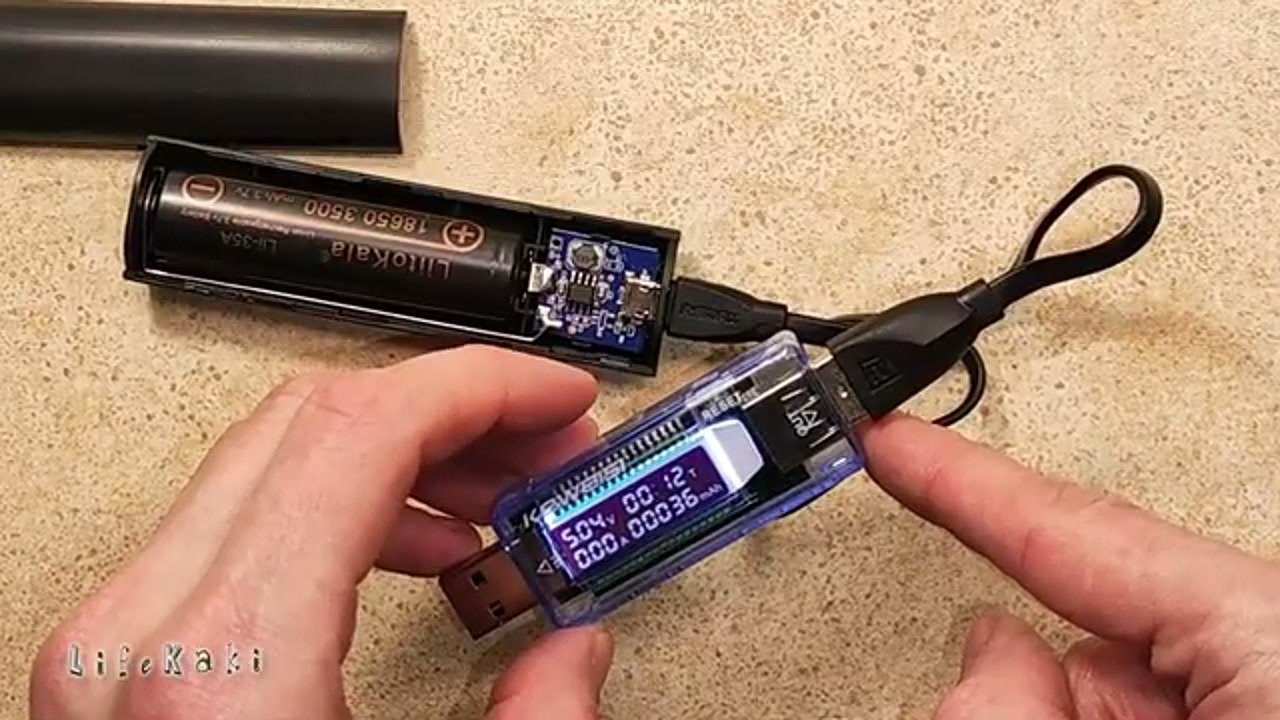
USB Lamp Performance
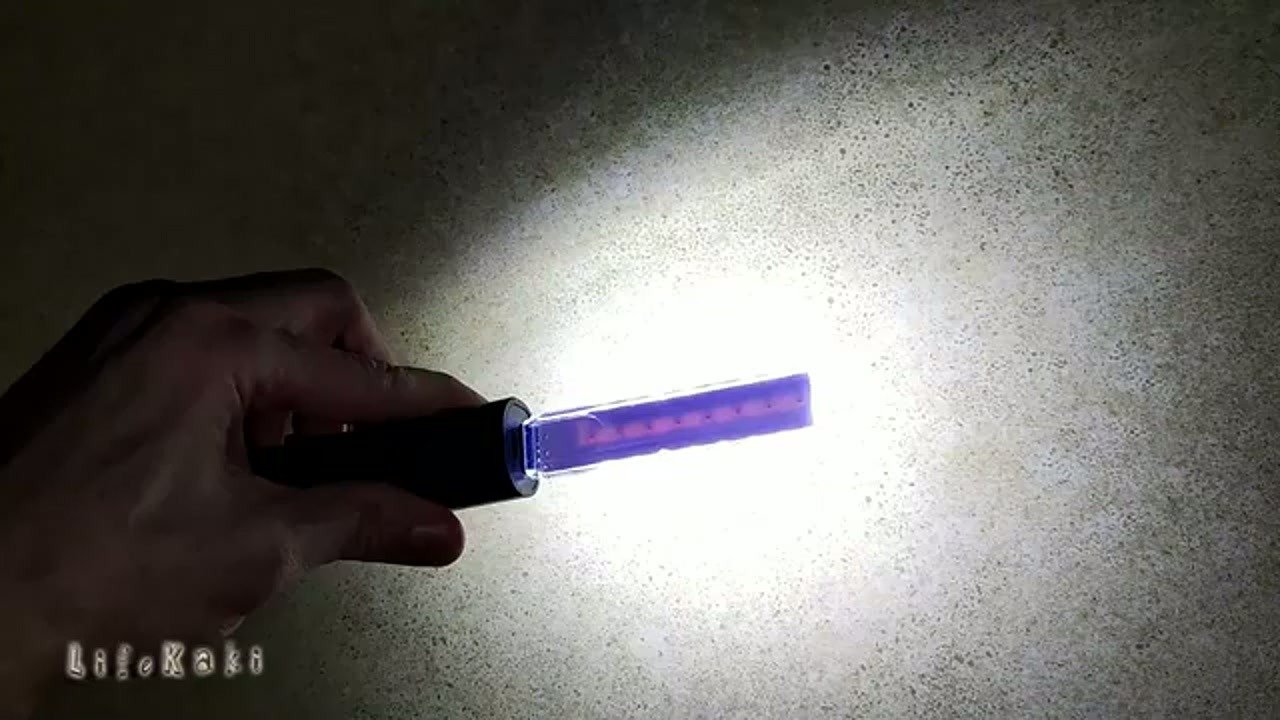
Practical test time — hooked up a USB LED lamp. It fired right up, no hesitation. The power bank handles the draw without cutting out, which means it’s good for emergency lighting. If you’re putting together a power outage kit, this little thing fits the bill.
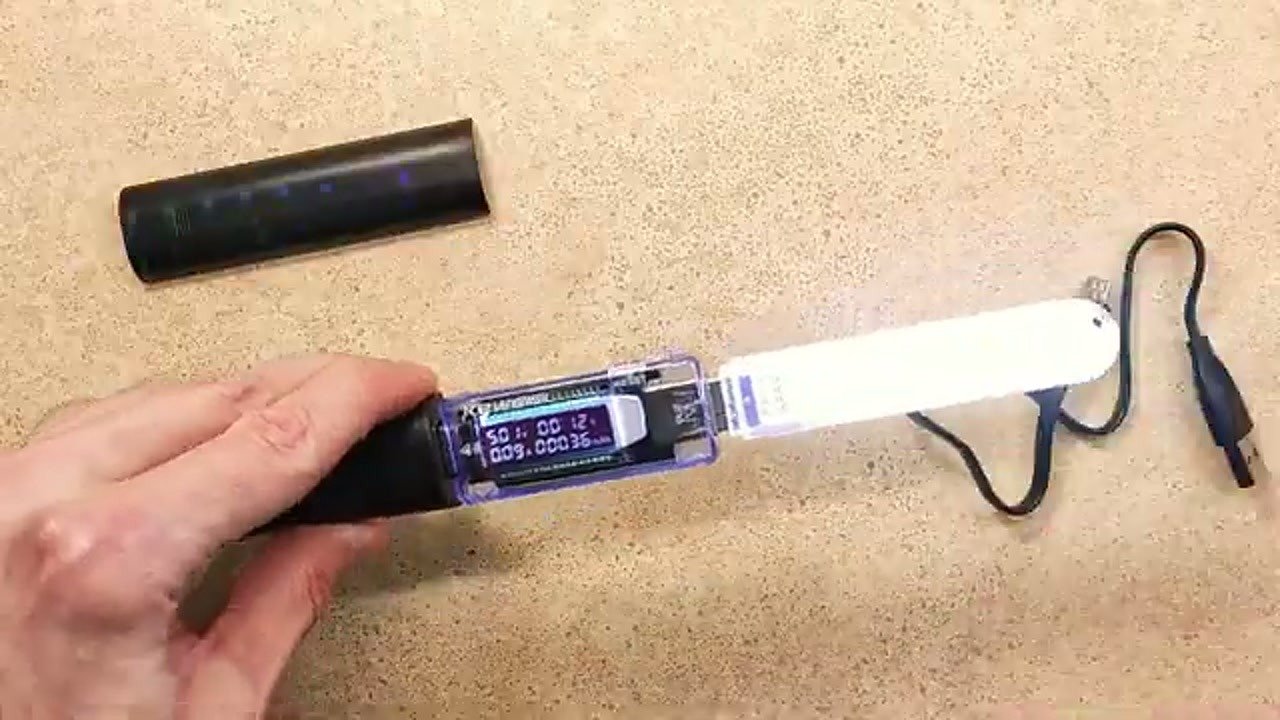
Final Efficiency Check
Last sweep of the connections and battery temp. Everything’s running cool and smooth. For its size, this unit is surprisingly efficient. The plastic housing does a decent job with heat dissipation. It’s a simple, repeatable build that does exactly what it’s supposed to do.
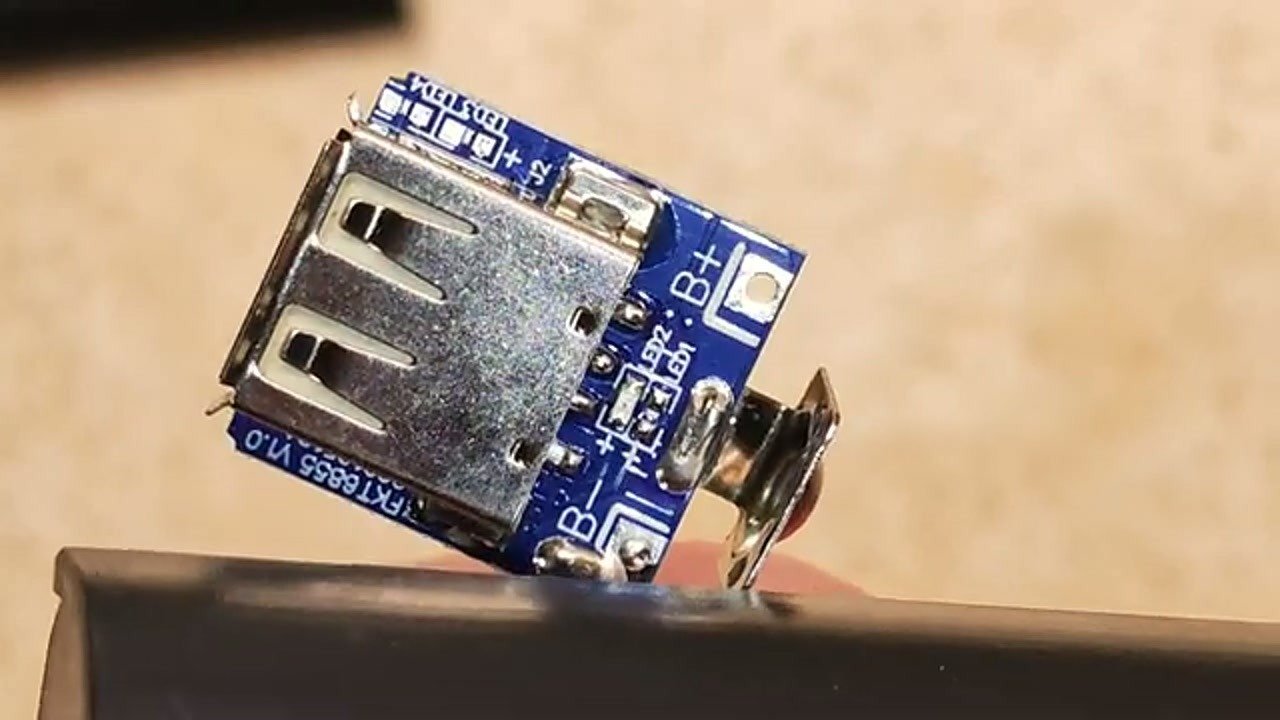
Device Dimensions
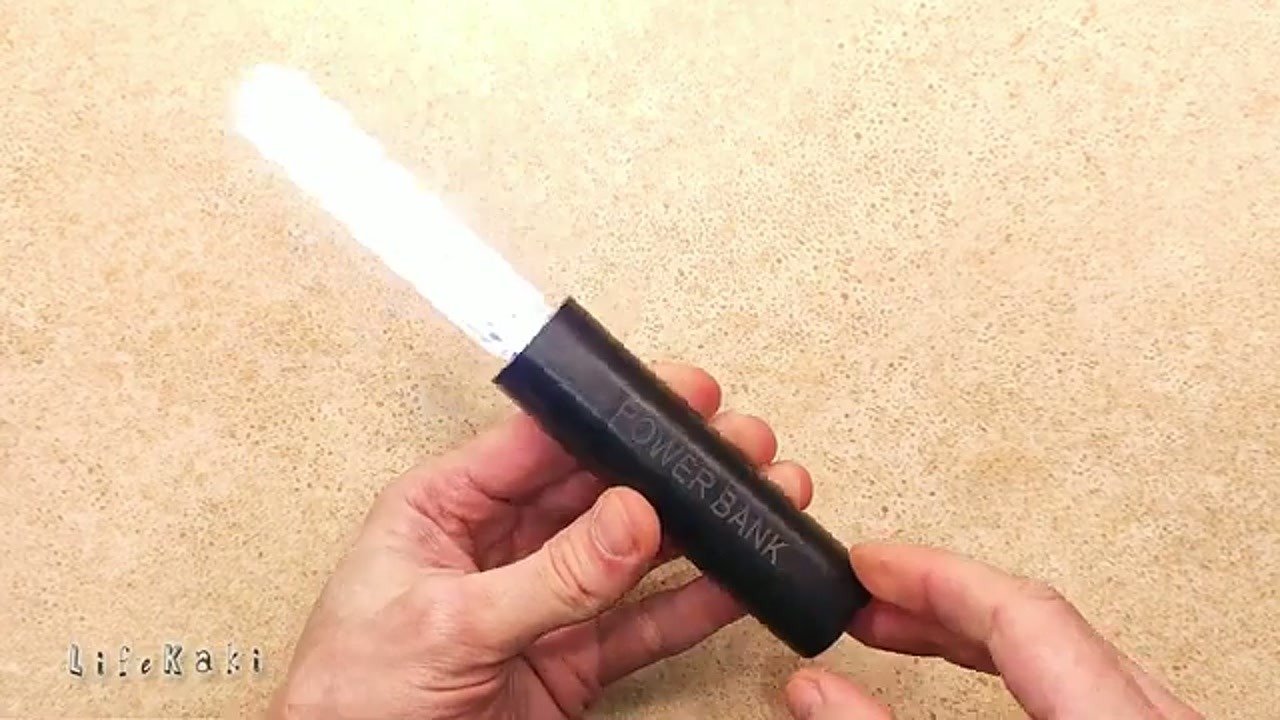
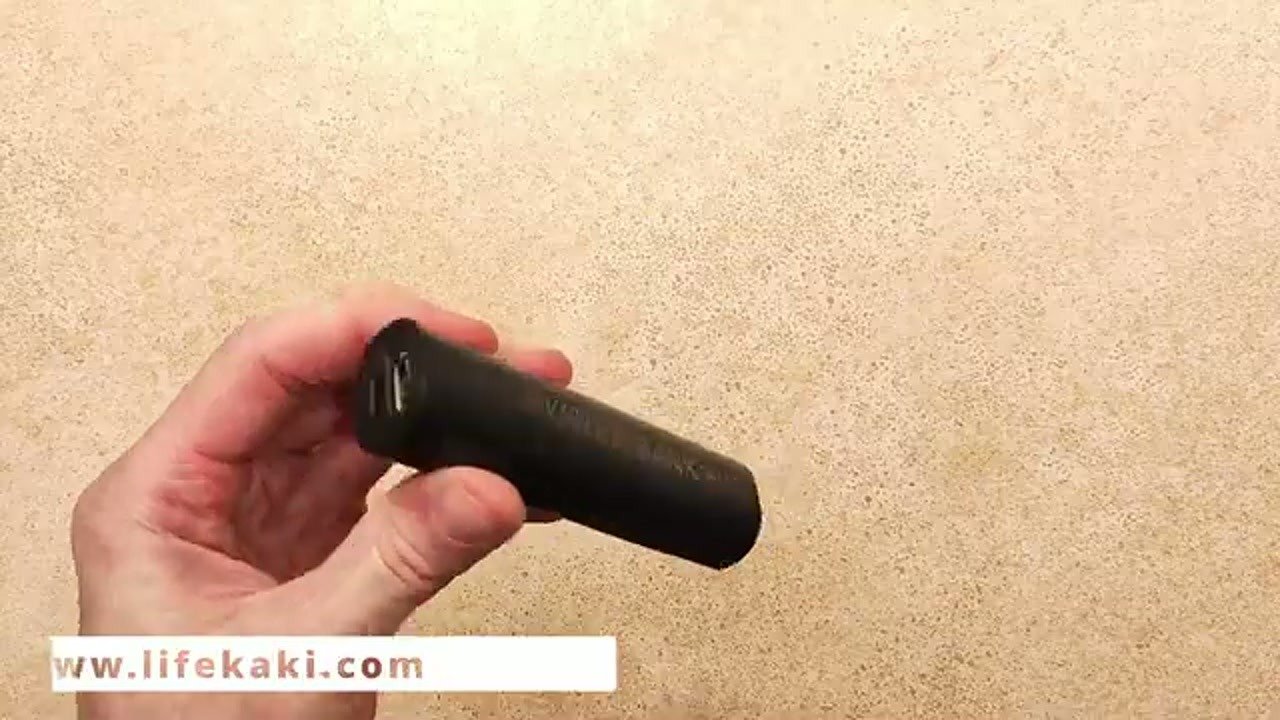
Checked the size and it’s barely bigger than the 18650 cell itself. This thing disappears in a pocket. Perfect for a keychain backup or tossing in a camping bag. Small, functional, easy to carry — exactly what a portable charger should be.
⚠️ CAUTION: SAFETY WARNING!
18650 batteries can be dangerous if mishandled. Never short the terminals, and stick with quality cells from reputable brands to avoid overheating or fire risks.
Summary & Tips
This DIY 18650 power bank case is a solid little project if you need a compact, budget-friendly backup charger. It delivers steady 5V output and comes together in minutes. If you’ve got spare 18650 cells lying around, this kit gives them a second life. Worth grabbing for your next build.
📋 FAQ
❓ Is this power bank case safe to use?
Answer: Yes, as long as you use a quality 18650 cell and don’t short the terminals during assembly. Common sense goes a long way here.
❓ Can I charge my smartphone with this?
Answer: It outputs 5V, which works with most phones. Charging speed will be limited by the single 18650 cell, so don’t expect fast charging.
❓ What is the main advantage of this kit?
Answer: Extreme portability and swappable batteries. It’s ideal for emergency kits, camping, or just having a backup in your bag.
Disclaimer: I purchased all tools for this guide with my own money to ensure an unbiased review. This post contains affiliate links, meaning I earn a small commission if you make a purchase at no extra cost to you.
🛒 Useful Links & Products
Power Bank Case
🛒 BUY ON ALIEXPRESSRechargeable Li-ion battery 18650
🛒 BUY ON ALIEXPRESSDT9205A Digital Multimeter
🛒 BUY ON ALIEXPRESSUSB LED Light Stick
🛒 BUY ON ALIEXPRESS



Leave a Reply