Automating home lighting can significantly reduce energy waste, but reliability is key. This practical review tests the ACEHE LLF001700 infrared motion sensor to see if it holds up as a functional occupancy switch. We examine its detection range, ambient light threshold, and wiring process to determine if this budget-friendly module is worth installing in your workshop or home.
Author: LifeKaki
⚡ Quick Guide: How to Test and Install the IR Sensor
- Inspect the IR sensor module and verify its technical specifications.
- Connect the sensor to a power source and a test light bulb.
- Evaluate the motion detection range in a real-world environment.
- Test the ambient light threshold to ensure it only activates when needed.
- Examine the internal wiring and circuit board layout for build quality.
- Summarize the performance outcomes to confirm if the unit is reliable.
📋 In This Article
- Tools & Materials — what you will need for this project
- Technical Specifications — device parameters
- Unboxing and Inspection — checking the sensor module
- Practical Application Test — simulating occupancy
- Wiring and Connections — connecting the load
- Ambient Light Threshold — testing light sensitivity
- Performance Summary — evaluating the results
- Internal Teardown — inspecting the circuit board
- Frequently Asked Questions (FAQ) — answers to popular questions
📊 Technical Specifications & Components
| Model | ACEHE LLF001700 |
| Voltage | AC 220V |
| Load Power | 200W |
| Induction Distance | 5-8M |
| Light Intensity Threshold | 6LUX |
| Dimensions | 6.3 x 3.8 x 2.8cm |
Tools & Materials Used
🔧
LED RGB Bulb
AliExpress 🛒
🔧
A830L Digital Multimeter
AliExpress 🛒
🛠️
BUY ON ALIEXPRESS 🛒
Recommended Tool
IR Infrared Module Body Sensor (ACEHE LLF001700)
Step-by-Step Assembly & Testing
Unboxing and Inspection
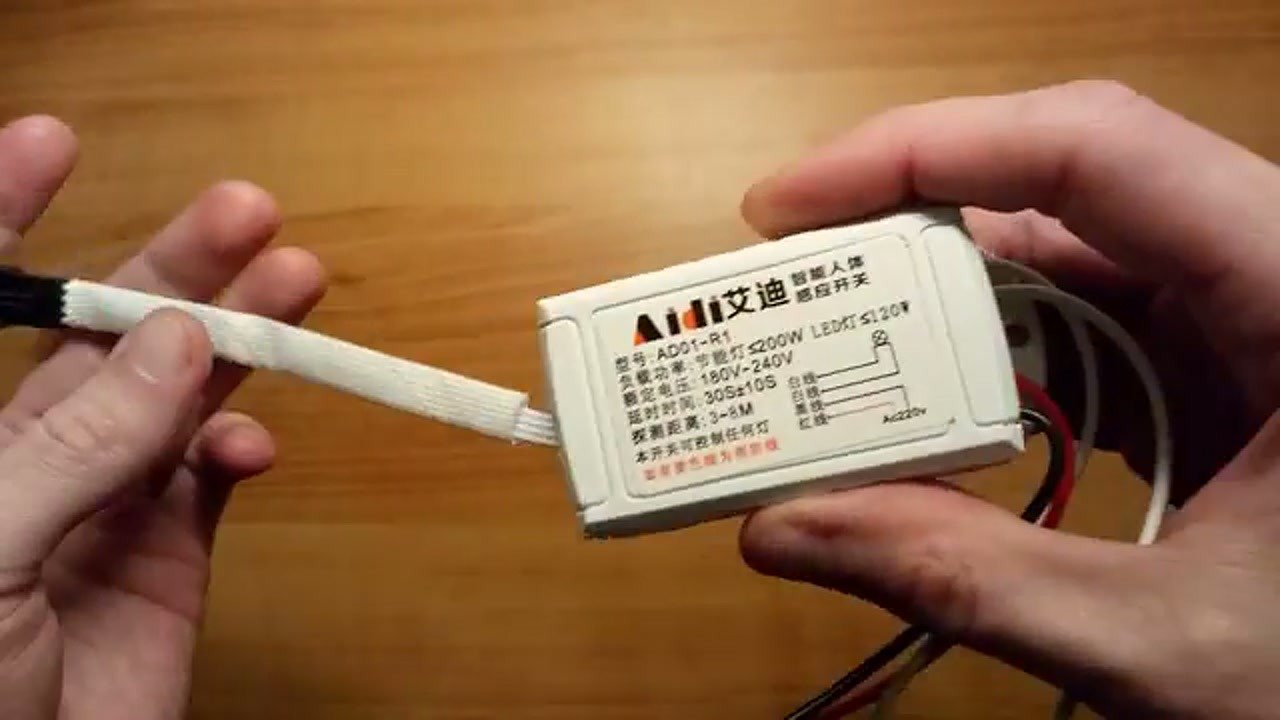
The process begins by carefully opening the packaging of the ACEHE LLF001700 module. This infrared sensor is designed for automatic lighting control. The unit is compact, measuring 6.3 x 3.8 x 2.8cm. It feels lightweight and includes basic wiring leads for installation. I checked the exterior for any manufacturing defects or loose components. The build quality is standard for a budget proximity switch.

Practical Application Test
To test the sensor, I set up a simulation of a real-world occupancy scenario. The device is intended to trigger lighting based on human movement. I positioned myself within the 5-8 meter detection range specified by the manufacturer. The sensor reacts to motion by closing the circuit to the connected load. This test confirms the responsiveness of the infrared module in a controlled environment.
Wiring and Connections
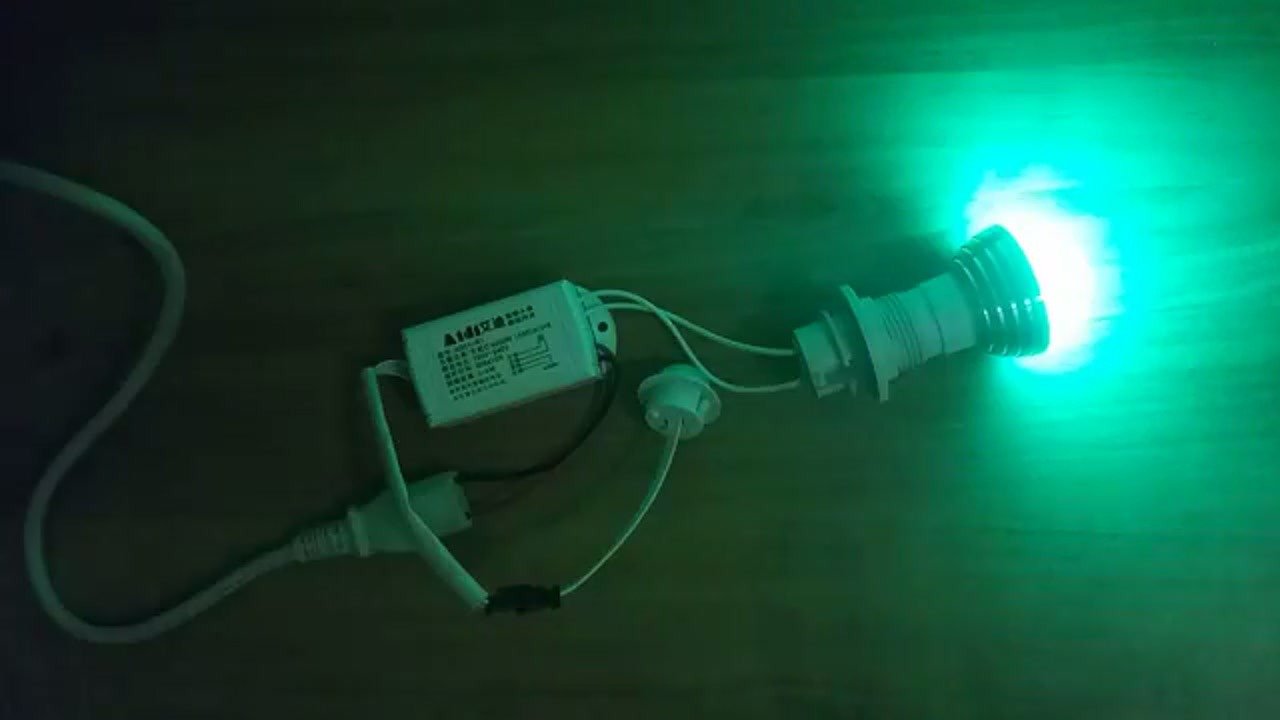
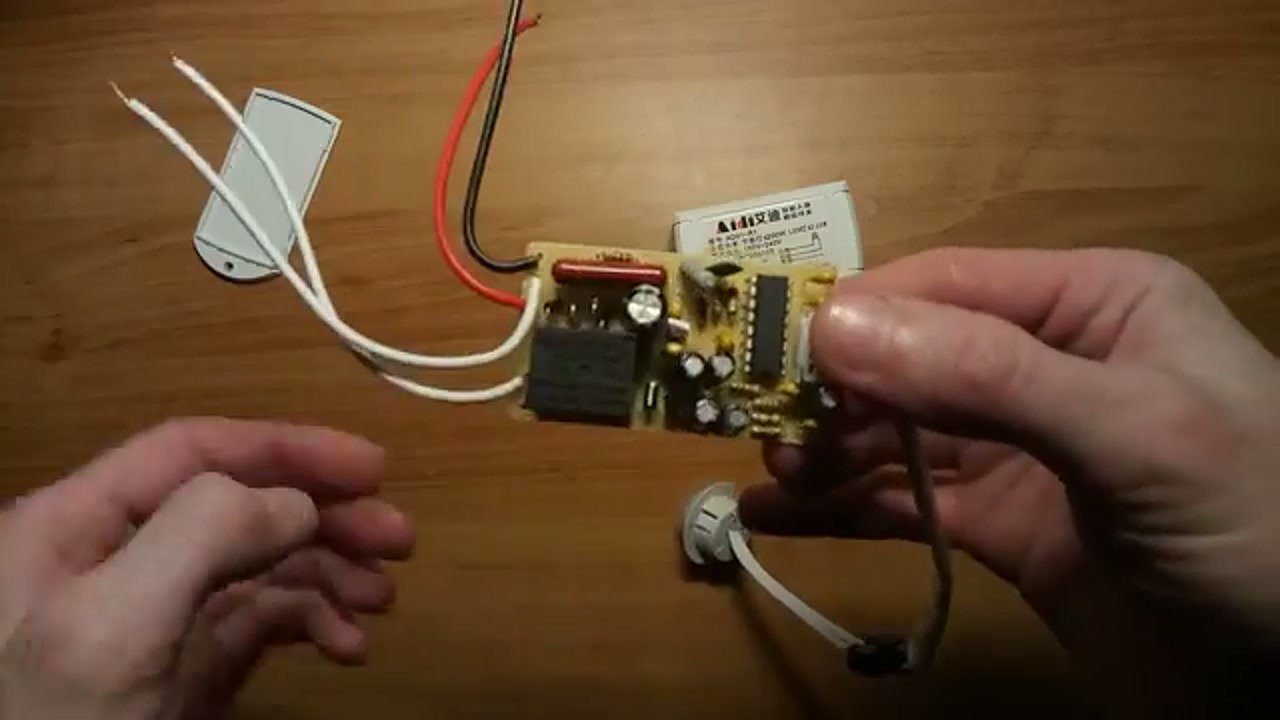
Connecting the sensor requires careful attention to the AC 220V power leads. I wired the module to a test LED RGB bulb to verify the switching mechanism. The connections must be secure to prevent flickering or intermittent power loss. Once wired, the sensor successfully toggles the bulb on when movement is detected. The wiring diagram provided on the label simplifies the installation process for standard lighting setups.
Ambient Light Threshold
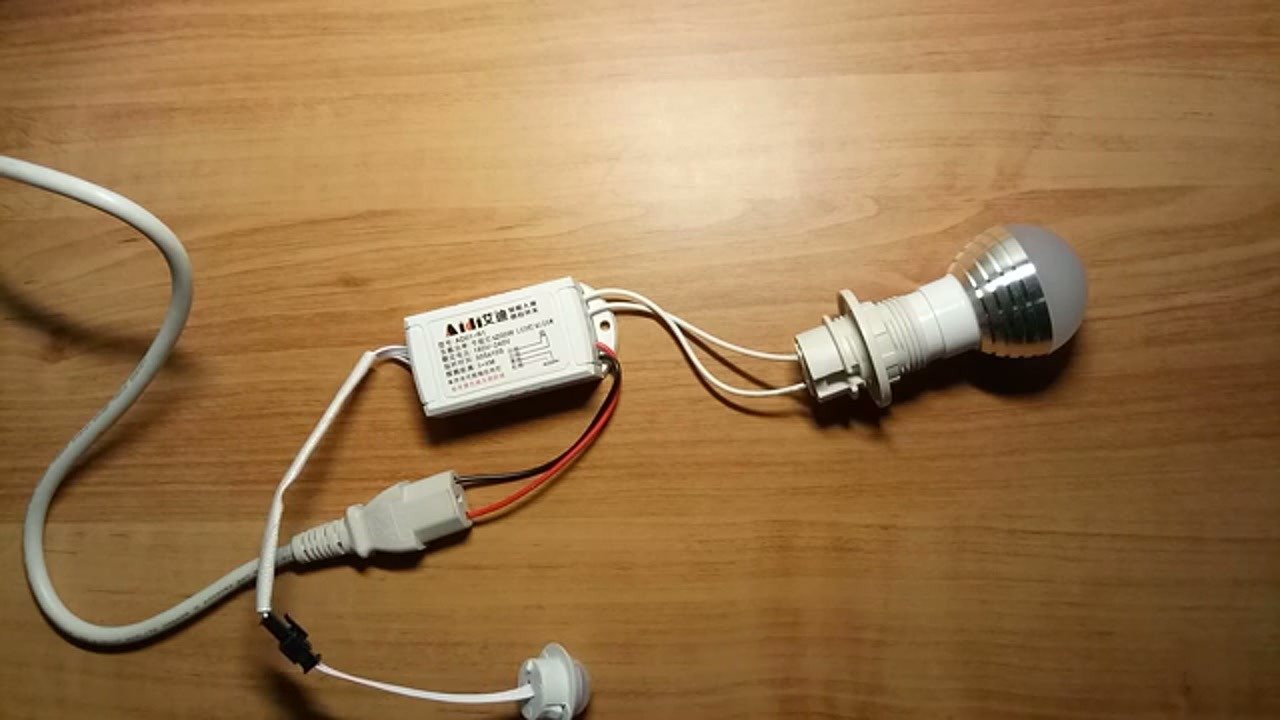
The sensor features a 6LUX ambient light threshold to prevent unnecessary activation during the day. I tested this by varying the light levels in the room. When the ambient light is above the threshold, the sensor suppresses the output even if motion is detected. This feature is essential for energy efficiency in automated lighting systems. The transition between active and inactive states is consistent during testing.
Performance Summary
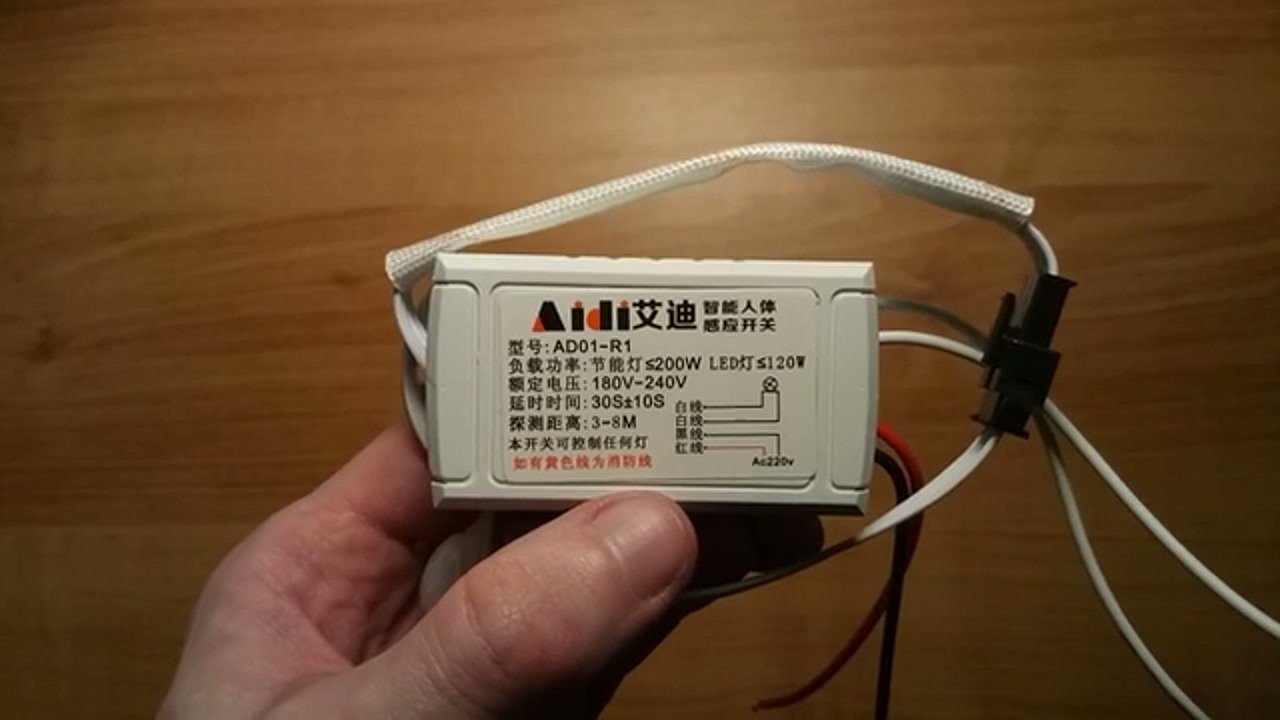
After completing the tests, I reviewed the overall performance of the LLF001700. The device reliably detects movement within the specified 5-8 meter range. It handles the 200W load capacity without overheating or showing signs of strain. The integration of the light sensor works as expected for basic energy-saving applications. This module provides a functional solution for automated lighting needs.
Internal Teardown
I opened the casing to inspect the internal circuit board and components. The soldering on the PCB is clean, and the components are laid out logically for the size of the housing. There are no obvious cold solder joints or damaged traces. This internal inspection confirms that the build quality matches the functional performance observed during testing. The design is simple, durable, and repairable if necessary.
⚠️ CAUTION: SAFETY WARNING!
This device operates on AC 220V. Always disconnect the power supply before performing any wiring or inspection. Ensure all connections are properly insulated to prevent electrical shock or short circuits.
Summary & Tips
The ACEHE LLF001700 IR Infrared Module is a practical and reliable choice for those looking to automate their lighting. It performs well within its 5-8 meter range and effectively uses its 6LUX ambient light threshold to save energy. Given its 200W load capacity and compact size, it is a solid, functional upgrade for any workshop or home lighting system.
📋 FAQ
❓ Can this sensor handle high-wattage lighting?
Answer: The ACEHE LLF001700 is rated for a maximum load of 200W. It is suitable for LED bulbs and low-power lighting, but should not be used with high-wattage incandescent or industrial fixtures.
❓ Does the sensor work during the day?
Answer: No, it features a 6LUX ambient light threshold. It is designed to remain inactive when there is sufficient natural light, helping to conserve energy.
❓ What is the effective detection range?
Answer: The sensor is rated for an induction distance of 5 to 8 meters, which is sufficient for most standard rooms and hallways.
Disclaimer: I purchased all tools for this guide with my own money to ensure an unbiased review. This post contains affiliate links, meaning I earn a small commission if you make a purchase at no extra cost to you.
🛒 Useful Links & Products
IR Infrared Module Body Sensor (ACEHE LLF001700)
🛒 BUY ON ALIEXPRESSLED RGB Bulb
🛒 BUY ON ALIEXPRESSA830L Digital Multimeter
🛒 BUY ON ALIEXPRESS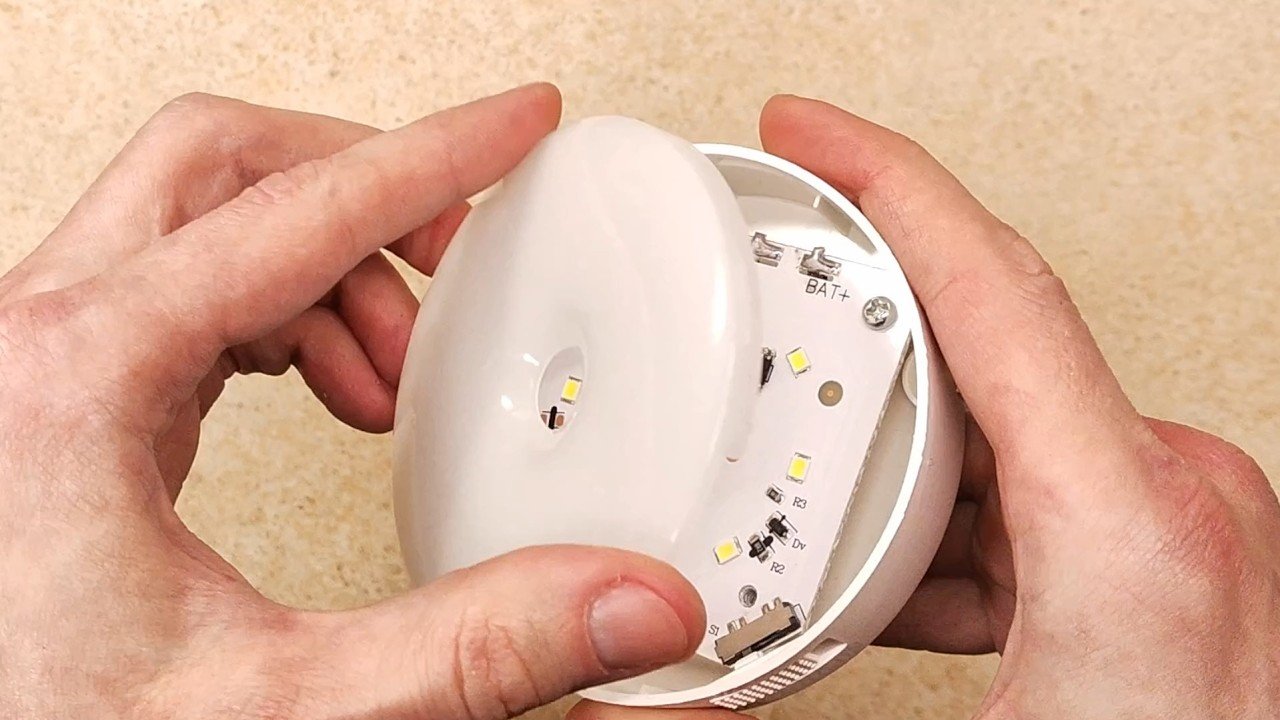



Leave a Reply