I’ve got this compact 5V 5730 LED module on my desk, and I wanted to see if it’s actually a solid choice for custom lighting projects or power bank upgrades. We’re running a full teardown and load test to see how it handles current draw and thermal output. Let’s see if this little board is worth the effort for your next build.
Author: LifeKaki
⚡ Quick Guide: How to Test and Use the 5V LED Module
- Inspect the micro USB port and solder pads for build quality.
- Connect a USB power meter to measure the actual current draw.
- Verify the power bank compatibility by checking the 5V output.
- Monitor the operating temperature during continuous use.
- Measure the physical dimensions for your custom enclosure.
- Integrate the module into your DIY lamp or repair project.
In This Article
📊 Technical Specifications & Components
| LED Type | 5730 SMD |
| Input Voltage | 5V DC |
| Current Draw | 0.3A – 0.47A |
| Operating Temperature | 33°C – 34°C |
Tools & Materials Used
🔧
Digital Infrared Thermometer
AliExpress 🛒
🔧
Power Energy Meter
AliExpress 🛒
Recommended
DIY 5V USB LED Panel – Buy link
Step-by-Step Assembly & Testing
Unboxing and Initial Inspection
I’m starting by pulling the 5730 LED module out of the packaging to check the board quality. The micro USB port is soldered directly to the PCB, which is standard for these compact units. Pro tip: always inspect the solder joints under the port before plugging it in, as they can be fragile. The board feels lightweight and thin, perfect for tight spaces. Everything looks clean and ready for a quick test. No loose components or cold solder joints found here.
Current Draw Testing
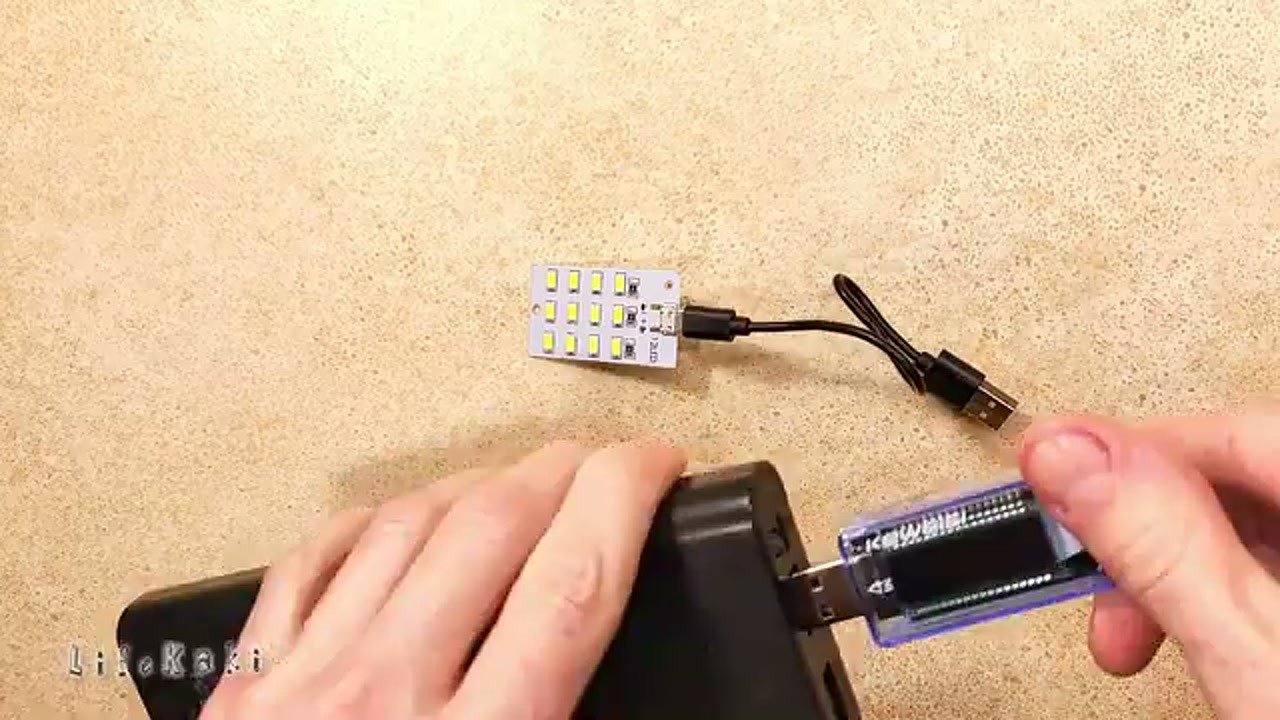
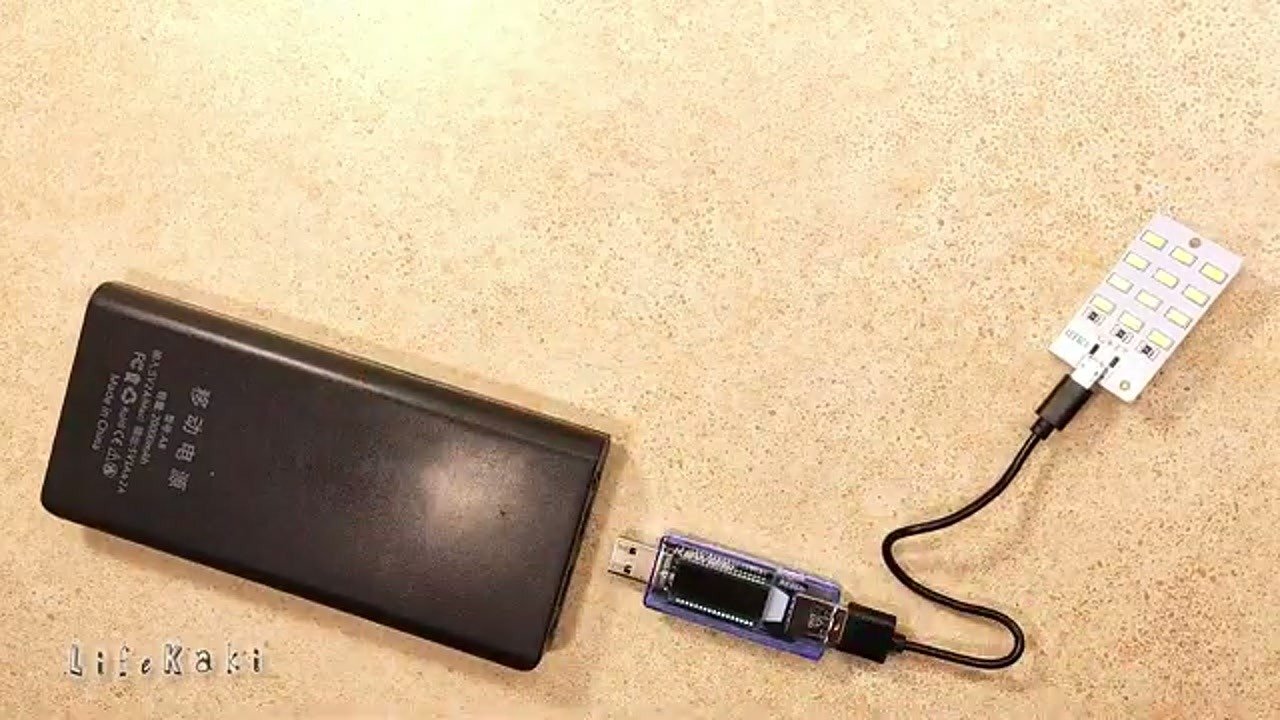
Now I’m hooking the module up to a power bank through a USB current meter. It’s pulling between 0.3 and 0.47 amps. That’s a decent range for a portable light source. It’s not going to drain your power bank in minutes, which is a huge plus for DIY camping lights. The reading is stable, showing no flickering or erratic voltage drops.

Light Output Assessment
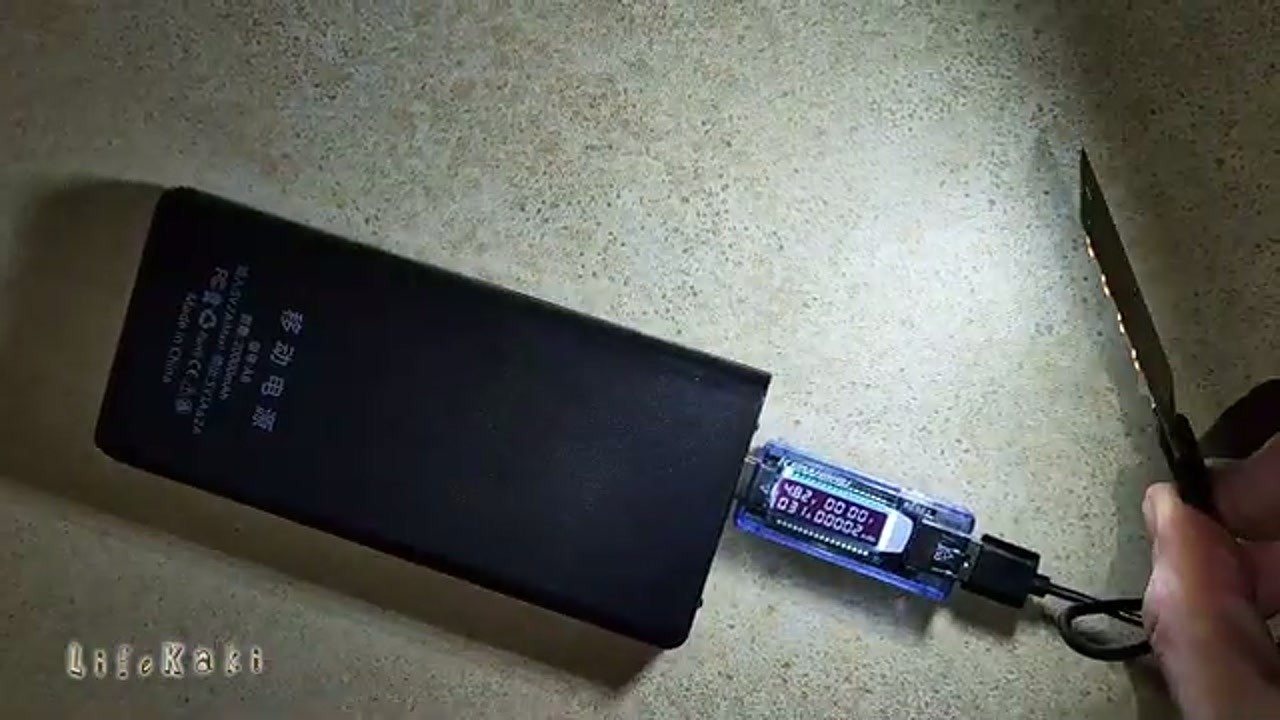
With the power flowing, the 12 LEDs on the board fire up instantly. The light is bright and consistent across the entire panel. It’s a clean white light, ideal for task lighting or upgrading an old desk lamp. I’m checking for any dead diodes, but all 12 are firing perfectly. It’s a solid, functional output for such a small footprint.
Thermal Stability Test
I’ve left the panel running for a few minutes to see how it handles heat. Using the infrared thermometer, I’m seeing temperatures hovering between 33 and 34 degrees Celsius. That’s well within the safe zone for these LEDs. It’s barely warm to the touch, meaning you don’t need a massive heatsink for this setup. Just keep it in a ventilated enclosure and you’re good to go.
Infrared Temperature Analysis
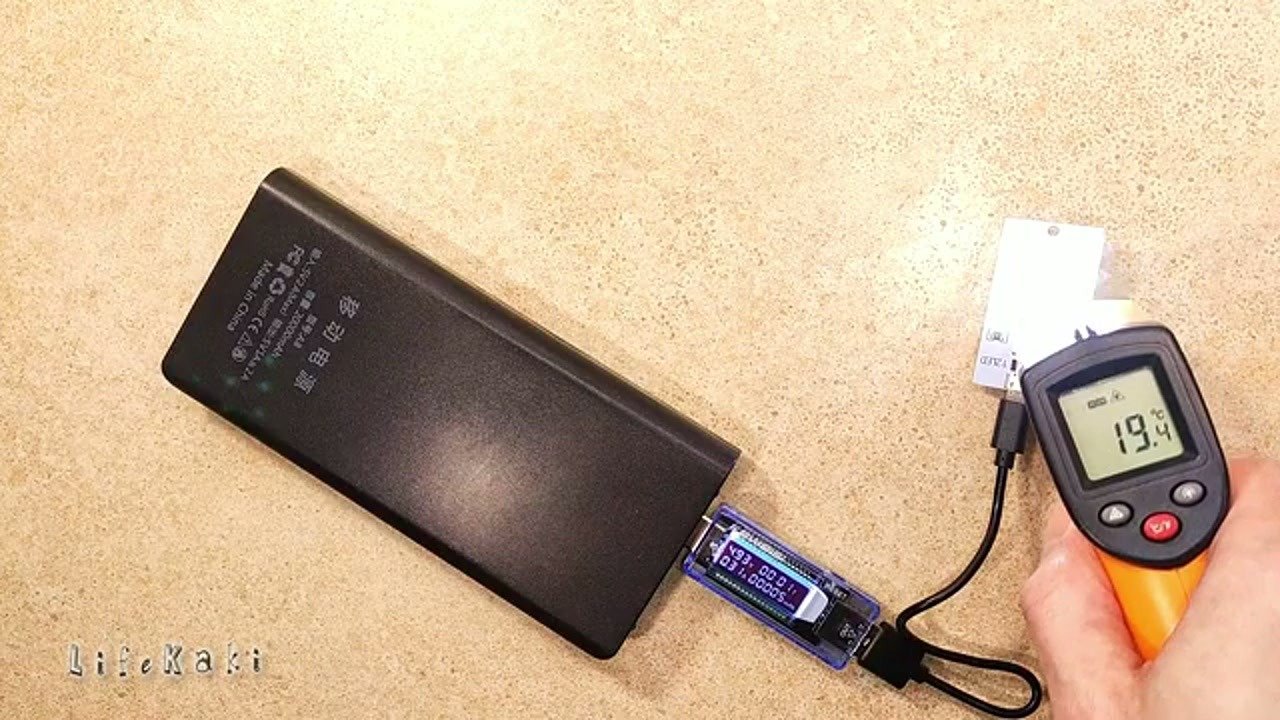
Double-checking the thermal readings with the infrared gun to confirm the previous results. The surface temperature remains stable at 34 degrees Celsius. No hot spots detected on the PCB or the LED array itself. This confirms the module is efficient enough for long-term use without overheating. It’s a reliable little component for custom builds.
Power Bank Compatibility
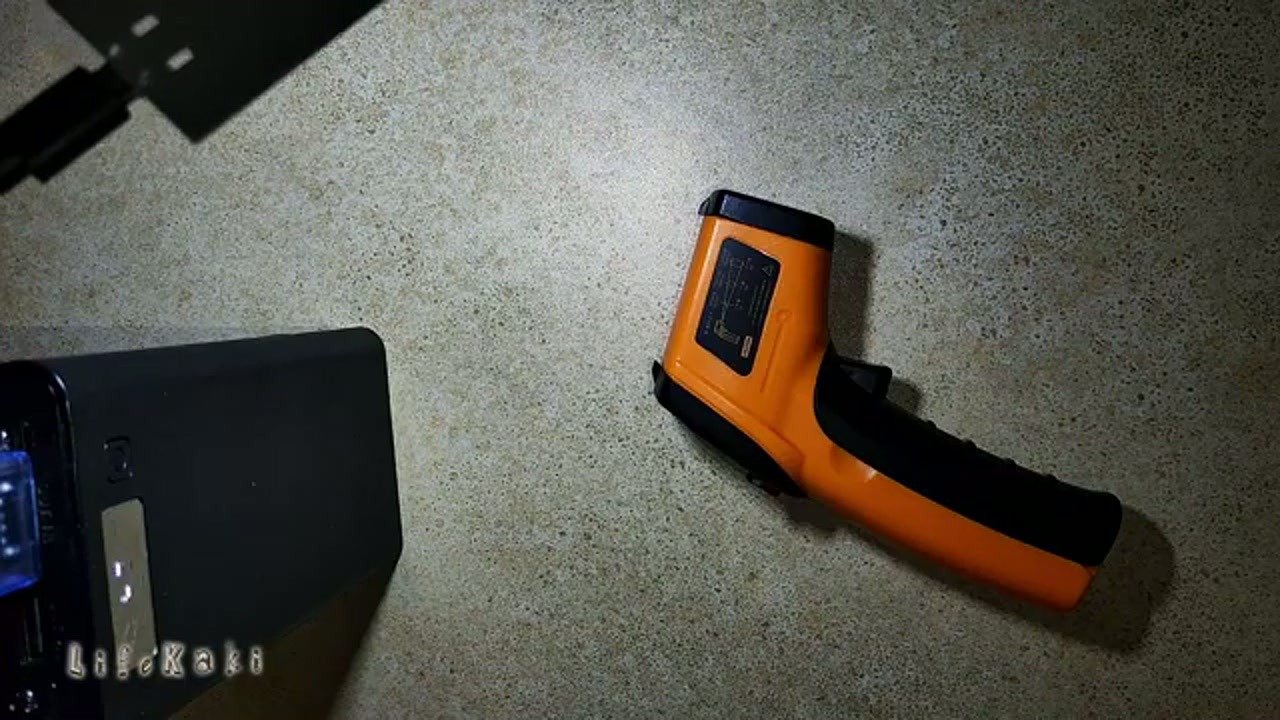
Testing the connection with a standard power bank to ensure it doesn’t trigger an auto-off feature. Some power banks shut down if the load is too low, but this module draws enough current to keep the port active. It’s a seamless connection that works every time. Perfect for a portable light rig or a quick emergency repair.
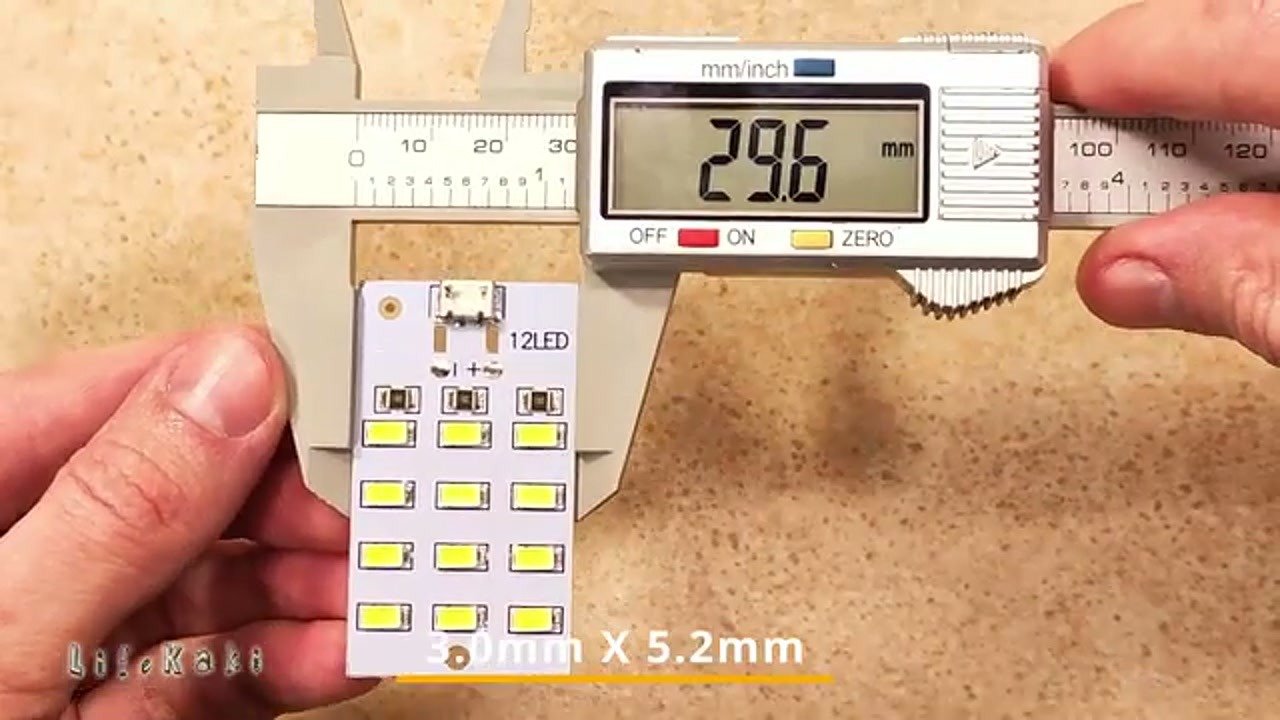
Dimensions and Final Specs
Finally, I’m measuring the board with a caliper to get the exact profile. The slim design makes it incredibly versatile for fitting into custom 3D-printed housings or existing lamp frames. It’s compact, efficient, and draws a manageable amount of power. Everything checks out for a reliable DIY lighting project.
⚠️ CAUTION: SAFETY WARNING!
Always handle electronic components with care. Avoid touching the LED board while it is powered to prevent potential burns or short circuits. Ensure your power bank is in good condition before testing.
Summary & Tips
This 5V 5730 LED panel is a practical, low-heat solution for anyone looking to build custom lighting or repair old lamps. With a stable current draw and minimal thermal output, it’s a reliable component for your DIY workshop. It’s definitely worth keeping a few of these in your parts bin for future projects.
📋 FAQ
❓ Can I power this LED panel directly from a computer USB port?
Answer: Yes, it draws under 0.5A, which is well within the limits of standard USB 2.0 and 3.0 ports on most computers.
❓ Does this module require an external heatsink?
Answer: At 33-34 degrees Celsius, it runs quite cool. You don’t need a dedicated heatsink, but mounting it on a small metal surface can help dissipate heat if you plan to run it for hours.
❓ Is this LED panel suitable for outdoor use?
Answer: Not as it is. The board is exposed, so you’ll need to house it in a waterproof enclosure if you’re taking it outside.
Disclaimer: I purchased all tools for this guide with my own money to ensure an unbiased review. This post contains affiliate links, meaning I earn a small commission if you make a purchase at no extra cost to you.
🛒 Useful Links & Products
DIY 5V USB LED Panel
🛒 BUY ON ALIEXPRESSDigital Infrared Thermometer
🛒 BUY ON ALIEXPRESSPower Energy Meter
🛒 BUY ON ALIEXPRESS



Leave a Reply