USB led lamp test is on the today, and honestly, I wanted to see if this compact 24-LED stick is actually worth packing into an emergency kit. We are hooking up the meter and running a real power draw check right now.
Author: LifeKaki
⚡ Quick Guide: How to Test a USB LED Lamp in 10 Steps
- Measure the operating current and voltage draw with a digital multimeter.
- Check surface temperature to ensure the LEDs won’t overheat.
- Inspect the printed circuit board layout and touch sensor placement.
- Verify physical length and dimensions for compact storage.
- Test actual light distribution and brightness in a dark room.
- Connect the lamp alongside previous models to a standard power bank.
- Calculate runtime efficiency using a 3500mAh portable battery.
- Project long-term battery performance using a 20000mAh power bank.
- Save the workflow setup if you are building an off-grid backup kit.
- Review final practical use cases and general value.
📊 Technical Specifications & Components
| LED count | 24 LEDs |
| Current draw | 0.43 Amps |
| Operating voltage | 5 Volts |
| Power consumption | 2.1 Watts |
| Operating temperature | Under 36°C |
| Length | 16 centimeters |
| Battery compatibility | 3500mAh to 20000mAh power banks |
📊 Project Overview & Costs (USA Market)
🔧 Difficulty Level: Easy
⏱️ Time Investment: DIY: 1-5 mins | Pro: 1 mins
Tools & Materials Used
• Emitting Color: 24 LED Touch White
🔧
A830L Digital Multimeter
AliExpress 🛒
🔧
Digital Infrared Thermometer
AliExpress 🛒
🔧
Pecron E2400 LFP 2400W Portable Power Station
AliExpress 🛒
🛠️
BUY ON ALIEXPRESS 🛒
Recommended
Emitting Color: 24 LED Touch White
Step-by-Step Assembly & Testing
Power Consumption and Wattage Test
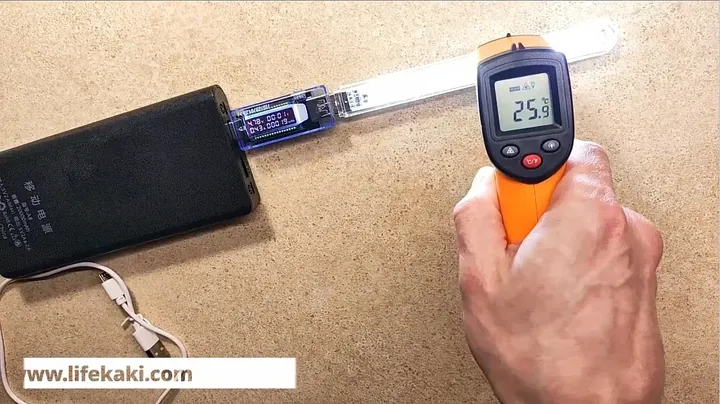
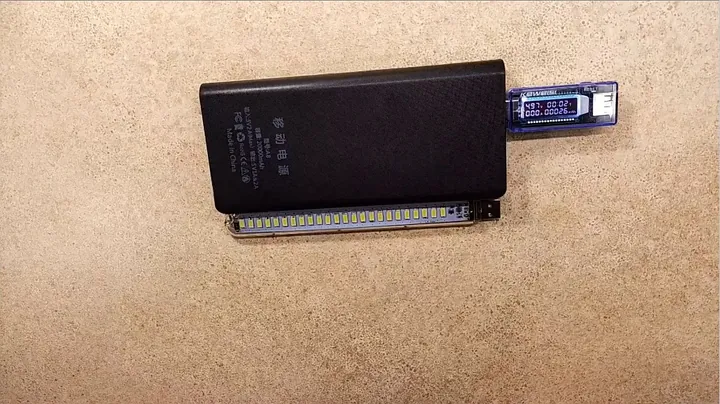
I’m plugging the 24-LED stick into our test rig right now to see what kind of draw we’re dealing with. The meter reads out 0.43 amps at a steady 5 volts. That math drops us right around 2.1 watts of total power consumption. Keeping the wattage this low is great for long hours on a battery. You won’t drain your power source instantly. No excessive heat builds up at this voltage level. Let’s make sure the connections are secure before moving on. Check the meter. Good reading.
Operating Temperature Check
Excessive heat will kill surface-mounted LED chips faster than anything else. I’m letting it run for a bit and checking the backplate to see how warm it gets. The thermometer readings stay safely under 36 degrees Celsius. That means continuous operation won’t fry the substrate. Measuring up at exactly 16 centimeters, it fits nicely into tight emergency gear boxes. The thermal dissipation is fine. No hotspots detected anywhere on the bar. Feel the surface. Running cool.
Printed Circuit Board Overview
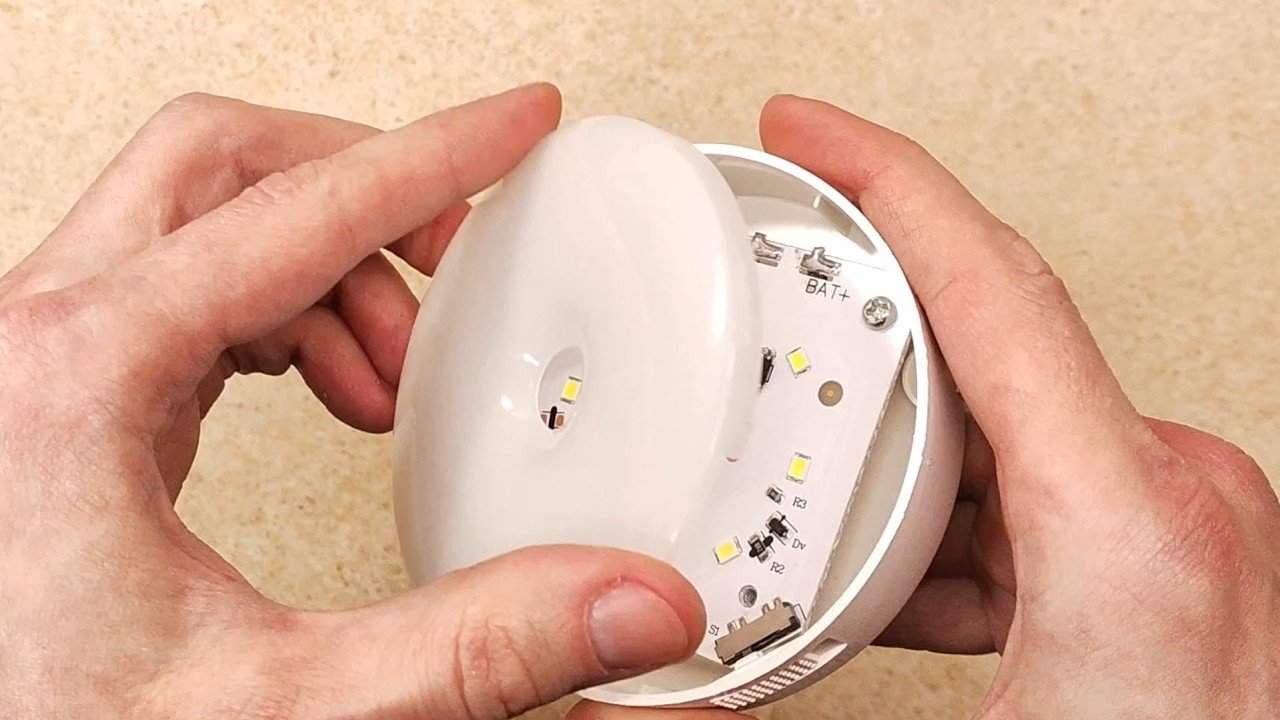
Let’s flip this thing over and look at the layout of the printed circuit board. You get 24 individual LED emitters paired with standard current-limiting resistors. There’s no overly complex microchip or driver IC cluttering up the back. This minimalist design approach improves overall long-term reliability. The touch sensor sits right on the rear surface for quick thumb activation. Soldering points look clean and free of flux residue. Inspect the traces. Simple and solid.
Exact Dimensions for a Minimal Kit
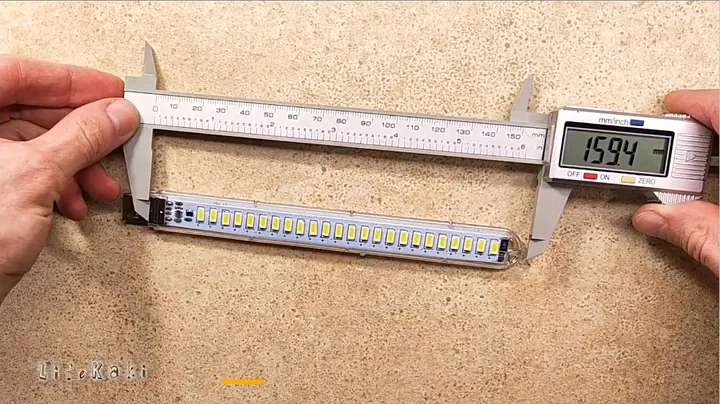
Size matters when you’re packing a minimalist blackout kit into a small bag. Measuring the length with a caliper confirms we are sitting right at 16 centimeters total. It easily slips into a pocket or straps onto a utility pouch. The slim profile avoids taking up valuable space next to your multi-tool or cables. Weight is practically negligible. Slide it into your gear pack. Fits anywhere.
Brightness Test in a Dark Room
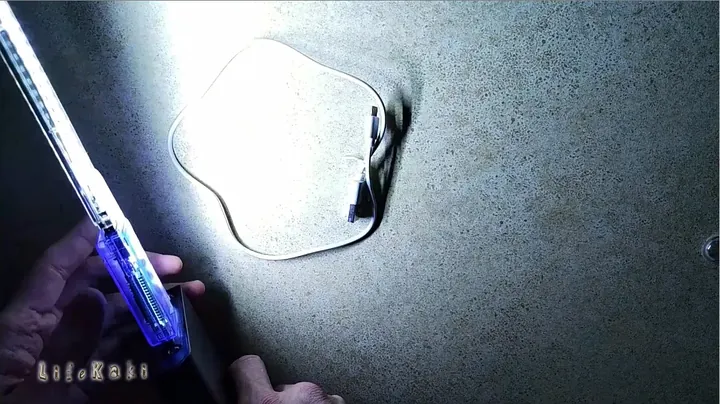
We are turning off the main bench lights to test actual illumination output in a dark workspace. The light distribution across the room is surprisingly even and bright. It projects a clean white spread that works well for reading or delicate repairs. You won’t stumble around in total darkness with this hooked up to a small battery. The diffuser spreads the hotspots out nicely. Turn off the lights. Clean glow.
Comparison with Previous Lamp and Power Bank
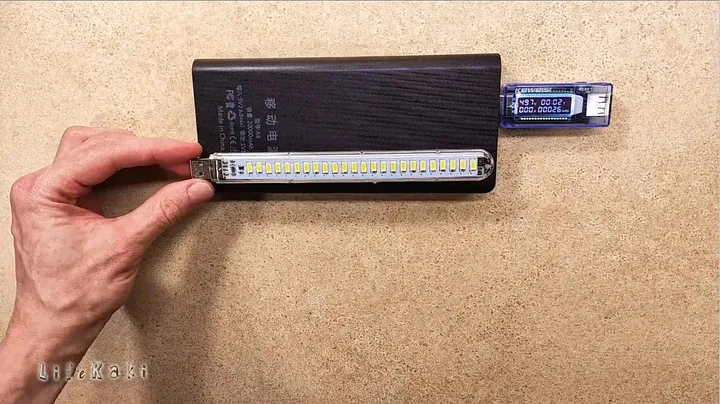
I’m plugging in an older lamp model we tested previously to see how they stack up side by side. We are pairing both units with the portable power bank from my last build video. Because the current draw is so minimal on this new 24-LED stick, a modest 3500-mAh battery pack handles the load easily. Swapping cables takes just a second. Plug it in. Ready to roll.
Battery Life Calculation (3500mAh vs 20000mAh)
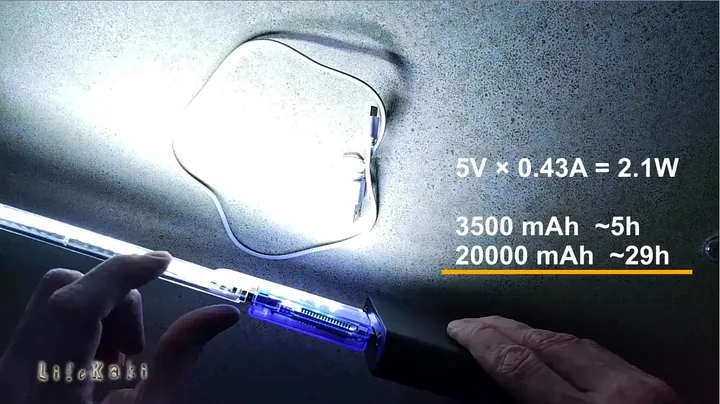
Let’s crunch the numbers based on our measured 0.43 amp draw. A standard 3500-mAh battery will keep this lighting strip running for roughly five hours straight. That covers a standard evening power outage without breaking a sweat. The discharge curve remains stable throughout the test. Calculate the runtime. Five solid hours.
Extended Runtime Projections
If you step up to a larger 20000-mAh power bank, the math changes drastically. You can push close to 30 hours of continuous runtime before the battery hits empty. That makes it a viable tool for multi-day camping trips or prolonged grid failures. If you’re building an off-grid emergency setup, save this reference. Check the stats. Nearly a full day of light.
Preparing Your Backup Kit Integration
Organizing your gear ahead of time saves a lot of headaches when an actual emergency hits. Store this USB lamp alongside your charging cables and spare power cells in a dedicated pouch. Keep the connectors clean and dust-free. Pack it away. Safe and sound.
Final Overview and Practical Use
Bottom line: it’s a cheap, functional upgrade for any desk or emergency kit. I bought this unit with my own money, so there’s no sponsored fluff here. The link is down in the description if you want to grab one. Wrap up the test. Good to go.
Summary & Tips
Bottom line: it won’t blind you, but for a cheap USB setup, this little module pushes enough clean light without melting down. Just make sure your connections are solid before you toss it in your kit.
📋 FAQ
❓ Can I run this USB lamp off a regular phone charger?
Yeah, absolutely. Any standard 5V USB wall block or power bank will drive it without any issues.
❓ Does the touch sensor get hot during long use?
Nope. The whole board stays under 36°C, so the sensor area remains cool to the touch even after hours of running.
❓ Is this lamp bright enough to read by?
Actually, yeah. The 24 LEDs spread out a clean, even beam that works great for reading or lighting up a small desk.
Disclaimer: I purchased all tools for this guide with my own money to ensure an unbiased review. This post contains affiliate links, meaning I earn a small commission if you make a purchase at no extra cost to you.
🛒 Useful Links & Products
Emitting Color: 24 LED Touch White
🛒 BUY ON ALIEXPRESS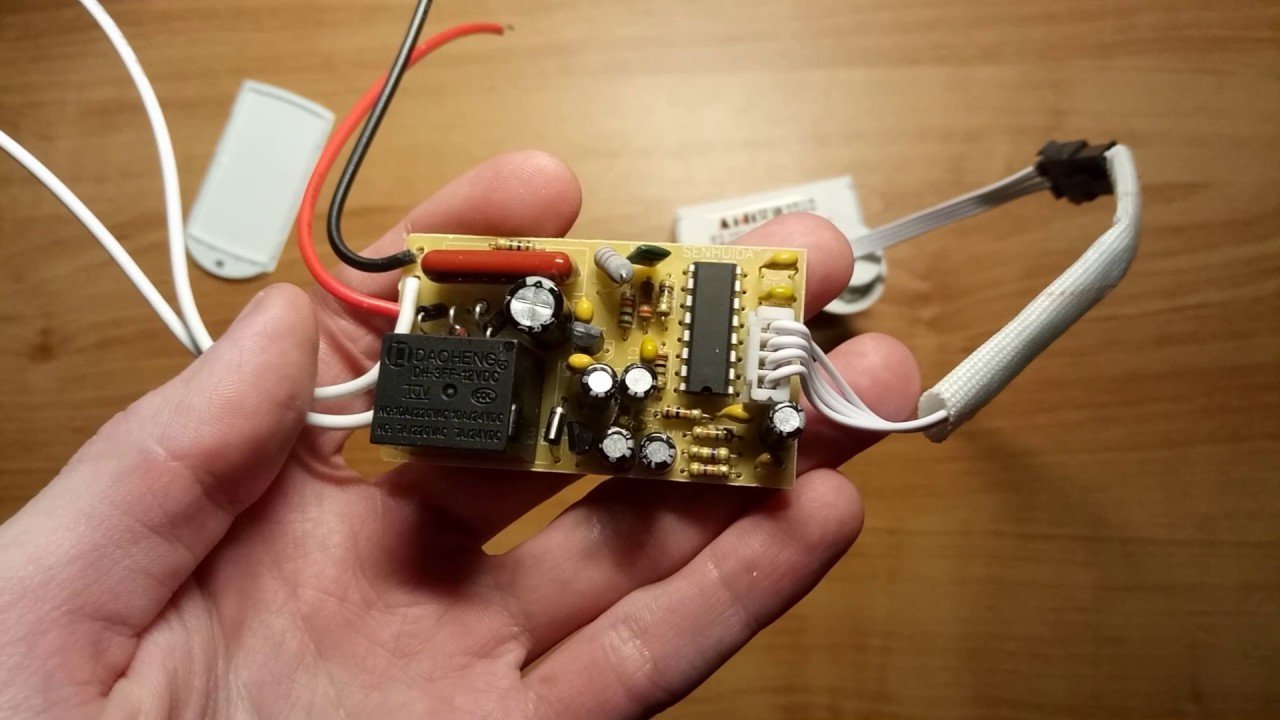



Leave a Reply