Monitoring household energy consumption is essential for identifying power-hungry appliances. This WHDZ Digital Power Meter review evaluates build quality, internal circuitry, and real-world accuracy. We perform a complete teardown to inspect the components and test the device under load to see if it is worth adding to your home toolkit.
Video Author: LifeKaki
⚡ Quick Guide: WHDZ Power Meter Inspection in 5 Steps
- Unpack the device and verify the included documentation.
- Remove the rear housing screws to access the internal board.
- Inspect the internal circuit board for build quality and soldering.
- Reassemble the enclosure carefully to ensure proper fit.
- Test the unit with an active load to verify display accuracy.
📋 In This Article
- Tools & Materials — what you will need for this project
- Technical Specifications — device parameters
- Unboxing and Packaging Inspection — checking the product contents
- Internal Teardown and Inspection — opening the casing and checking the board
- Circuit Board Analysis — examining the internal components
- Reassembly and Setup — putting the device back together
- Active Load Testing — verifying performance and accuracy
- Frequently Asked Questions (FAQ) — answers to popular questions
📊 Technical Specifications & Components
| Brand | WHDZ |
| Operating voltage | 230V AC |
| Frequency | 50Hz |
| Max operating current | 16A |
| Internal power consumption | 0.5W |
Tools & Materials Used
🛠️ WHDZ Digital Power Meter — BUY ON ALIEXPRESS 🛒
- Screwdriver Set For Gadgets — BUY ON ALIEXPRESS
- Power Energy Meter — BUY ON ALIEXPRESS
Step-by-Step Assembly & Testing
Unboxing and Packaging Inspection
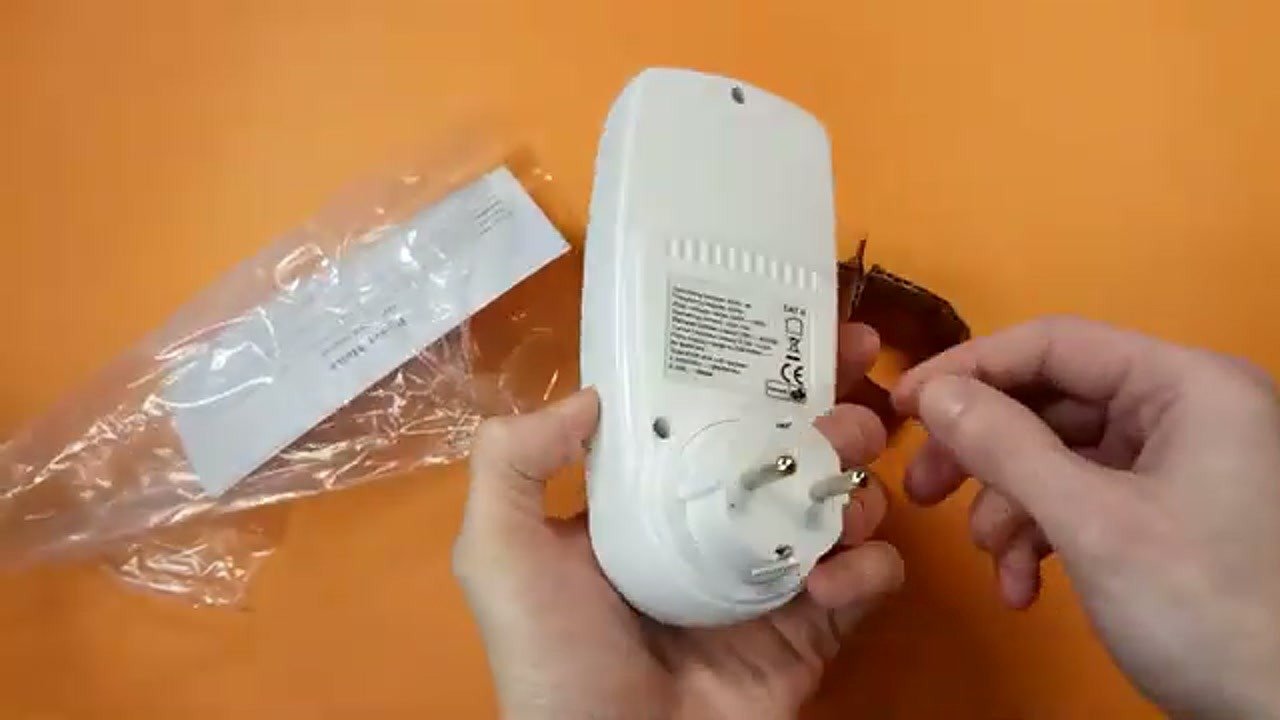
The inspection begins by evaluating the retail packaging and the physical condition of the WHDZ power meter. The device features a standard European plug design suitable for most residential outlets. We verify that the unit is free from shipping damage before proceeding to the functional tests. The manual provides clear guidance on the operational limits of the meter. This initial check ensures that the display and casing are intact for safe usage.
Internal Teardown and Inspection
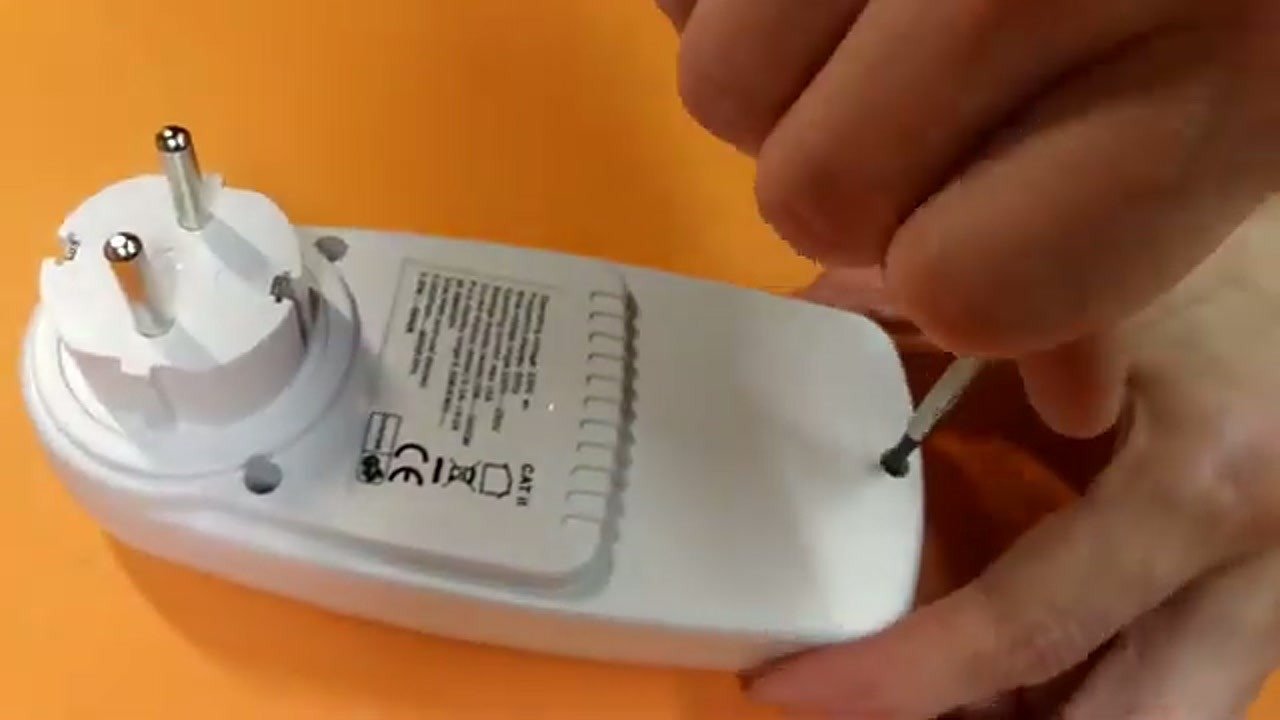
To understand the build quality, we remove the rear housing screws using a precision screwdriver. The plastic enclosure is pried open carefully to avoid damaging the internal plastic clips. This step reveals the internal layout and the connection points between the plug and the main board. Removing the casing is necessary to inspect the quality of the internal wiring and soldering points. We look for any signs of poor assembly or loose connections that could affect long-term durability.
Circuit Board Analysis
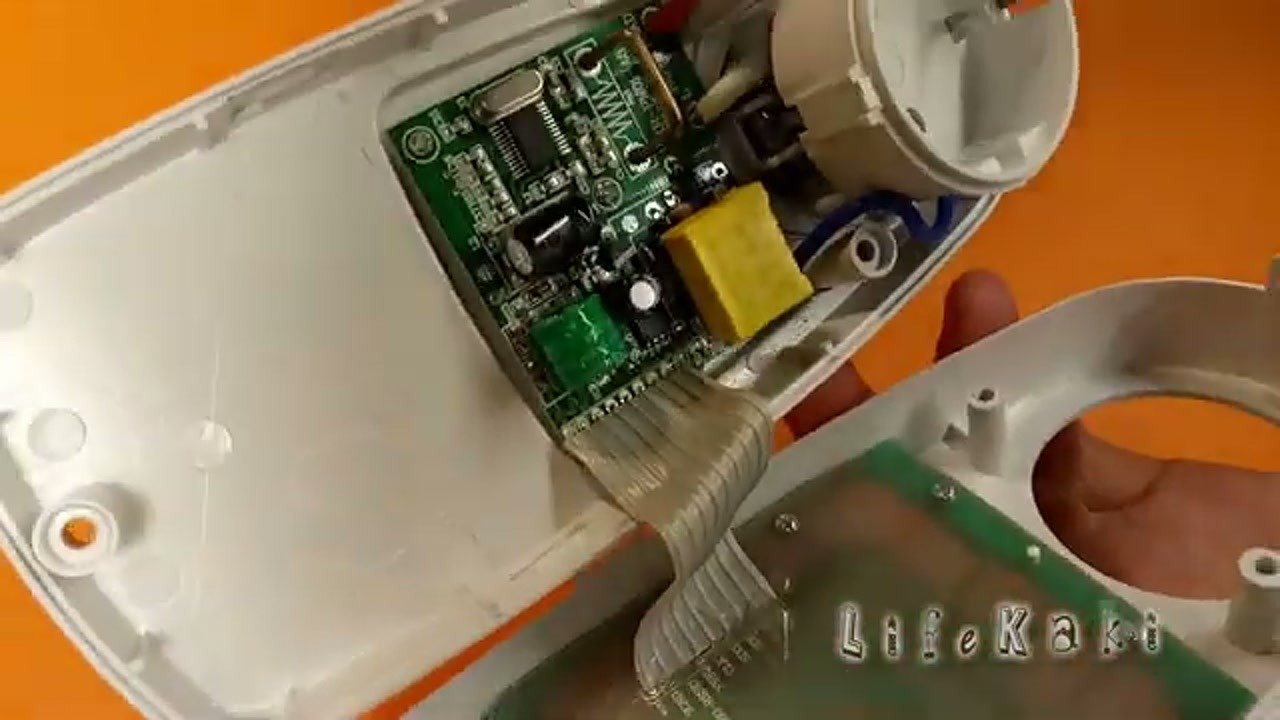
Once open, the internal circuit board is clearly visible, connected by a ribbon cable to the display module. We examine the soldering quality and component placement on the PCB to assess the manufacturing standards. The board appears clean, with no obvious cold solder joints or signs of overheating. This level of inspection confirms that the internal design is standard for this class of energy monitors. The components are securely mounted, suggesting a reliable build for typical household monitoring tasks.
Reassembly and Setup
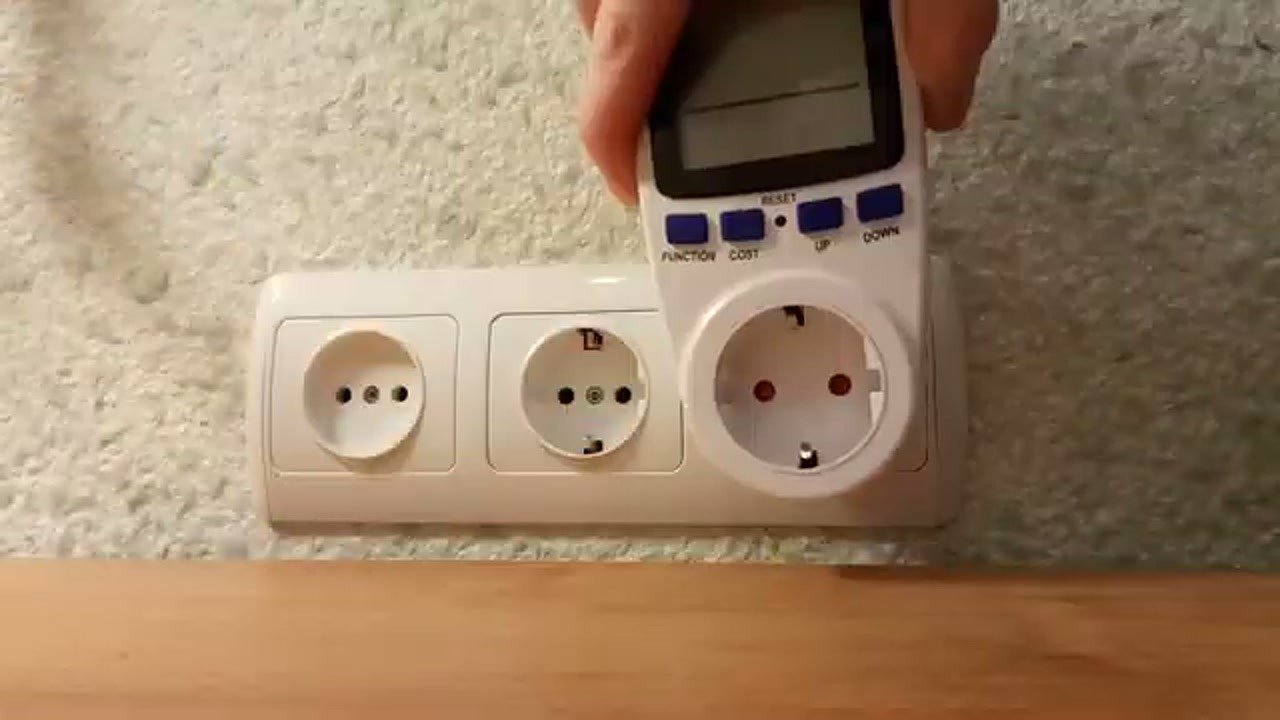
After the inspection, we align the housing halves and reinsert the screws to secure the unit. It is important to ensure the ribbon cable is not pinched during the closing process. Once the screws are tightened, the device is ready for connection to the mains. We plug it into a standard 230V wall outlet to confirm that the digital display initializes correctly. The screen shows a clear reading, indicating that the reassembly was successful and the device is fully functional.
Active Load Testing
The final stage involves testing the meter with an active load to verify its responsiveness and display accuracy. We monitor the wattage readings while drawing current to see how quickly the device updates its data. The meter performs consistently, showing stable values for the connected appliance. This test confirms that the unit is reliable for tracking power consumption in real-world scenarios. The results demonstrate that the WHDZ meter is a practical tool for monitoring energy efficiency.
⚠️ CAUTION: SAFETY WARNING!
This device operates with 230V AC mains voltage. Always disconnect the power meter from the wall outlet before performing any teardown or inspection. Do not touch internal components while the device is connected to live electricity to avoid the risk of electric shock.
Summary & Tips
The WHDZ Digital Power Meter is a functional and well-assembled device for tracking energy usage. Our teardown confirms solid internal build quality, and the active load tests show reliable performance for standard household appliances. If you need a simple, practical way to monitor your energy consumption, this meter is a solid choice. During testing the display remained stable and updated readings quickly under changing loads. For everyday home energy monitoring, the response speed is more than adequate.
📋 FAQ
❓ Is this meter accurate for small appliances?
Answer: It is designed for standard household loads up to 16A. For very low-power devices, expect minor fluctuations as indicated by the 0.5W internal consumption.
❓ Does it require batteries to maintain settings?
Answer: The device operates directly from the 230V AC mains. It does not require external batteries for standard operation.
Disclaimer: I purchased all tools for this guide with my own money to ensure an unbiased review. This post contains affiliate links, meaning I earn a small commission if you make a purchase at no extra cost to you.
🛒 Useful Links & Products
WHDZ Digital Power Meter
Screwdriver Set For Gadgets
Power Energy Meter



Leave a Reply